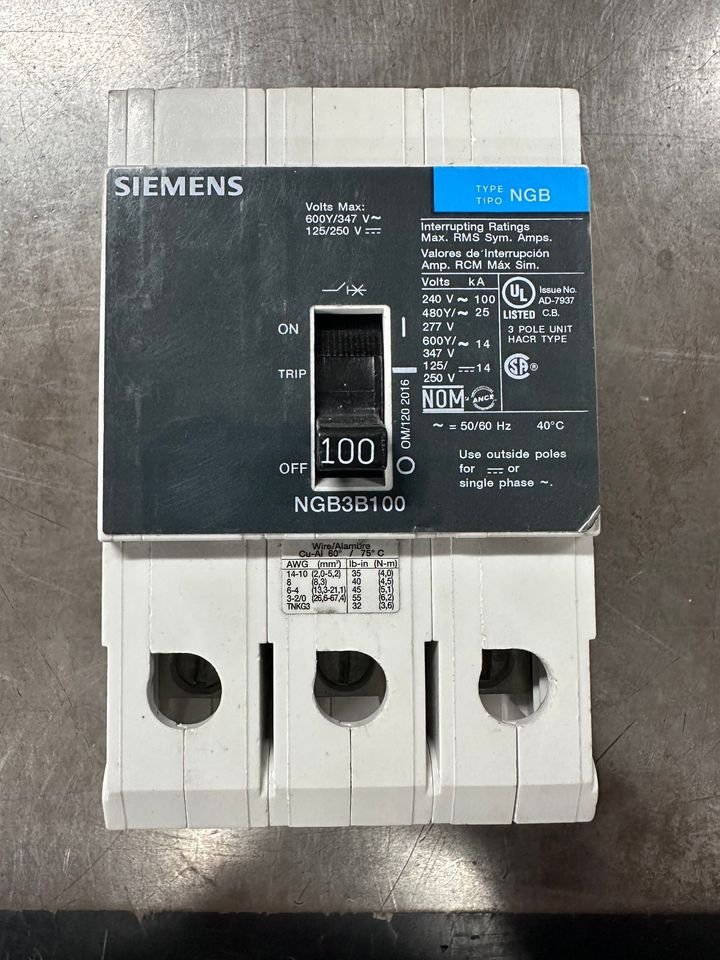
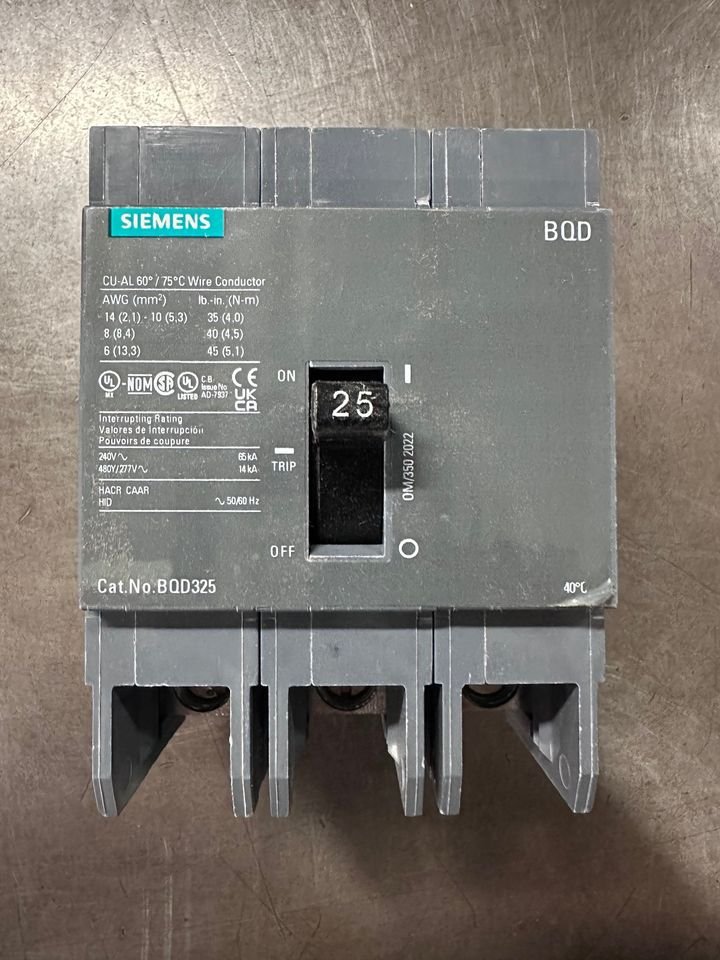
How to Choose the Right Circuit Breaker
Learn how to select the perfect breaker for your project based on load requirements, application, and safety standards.
If your circuit breaker keeps tripping, it usually means your electrical system is protecting itself from a potential hazard. Circuit breakers are designed to shut off power when they detect overloads, short circuits, or electrical faults. While occasional trips can be normal, a breaker that trips frequently may indicate a deeper electrical problem that needs attention.
This guide explains the most common reasons why a circuit breaker keeps tripping and what homeowners can do to troubleshoot the issue safely.
What Does It Mean When a Circuit Breaker Trips?A circuit breaker trips when it detects electrical current exceeding safe limits. When this happens, the breaker automatically shuts off power to prevent overheating, electrical fires, or damage to appliances and wiring.
If your breaker repeatedly shuts off power, it's important to identify the cause rather than simply resetting the breaker each time.
The most common reason a breaker trips is an overloaded circuit. This occurs when too many appliances or devices draw power from the same circuit at the same time.
High-wattage appliances such as space heaters, microwaves, hair dryers, and portable air conditioners can easily exceed the circuit's capacity.
To prevent overloads:
A short circuit occurs when a hot electrical wire touches a neutral wire or grounded metal component. This creates a sudden surge of electrical current that forces the breaker to trip immediately.
Short circuits may be caused by:
Because short circuits can create dangerous electrical conditions, they should be inspected by a qualified electrician.
Ground faults occur when electrical current flows outside the intended circuit path and contacts a grounded surface. This type of fault commonly happens in areas where water is present, such as kitchens, bathrooms, garages, and outdoor outlets.
Ground fault circuit interrupter (GFCI) breakers are designed to detect these conditions and shut off power quickly to prevent electric shock.
If a breaker trips when a specific appliance is turned on, that device may be malfunctioning. Appliances with damaged cords, worn internal components, or electrical faults can draw excessive current and cause breakers to trip.
Try unplugging the appliance and resetting the breaker. If the breaker stops tripping, the appliance may require repair or replacement.
Although circuit breakers are designed for long service life, they can eventually wear out. A breaker that trips repeatedly or fails to stay reset may be defective.
In older homes, the electrical panel itself may also be outdated and may not handle modern electrical loads effectively.
While homeowners can safely reset a breaker, recurring electrical problems should be evaluated by a licensed electrician. Electrical professionals can diagnose wiring issues, replace defective breakers, and determine whether your panel needs upgrading.
Addressing these problems early helps prevent damage to appliances and reduces the risk of electrical fires.
If a breaker needs replacement, it is important to select one that is compatible with your electrical panel. Breakers are designed to match specific panel brands and models to ensure proper fit and safe operation.
To learn more about selecting the correct breaker, visit our How to Choose the Right Circuit Breaker Guide.
For additional information about breaker types, electrical safety, and panel upgrades, explore our complete Circuit Breaker Resource Hub. Our guides help homeowners, electricians, and contractors understand how to maintain safe and reliable electrical systems.
For a complete overview of breaker types, brands, and electrical safety considerations, visit our Circuit Breaker Resource Hub where we provide expert guides for residential, commercial, and industrial electrical systems.
For a complete overview of breaker types, brands, and electrical applications, visit our Circuit Breaker Resource Hub.
High-voltage circuit breakers are designed to protect electrical systems operating at significantly higher voltages than standard residential or commercial circuits. These breakers are commonly used in utility systems, industrial facilities, and large-scale power distribution networks where reliable interruption of high-energy electrical flow is critical.
The primary function of a high-voltage circuit breaker is to safely interrupt electrical current during fault conditions such as overloads or short circuits. Because high-voltage systems carry much greater energy, these breakers are engineered with advanced arc-quenching technology to prevent equipment damage and reduce safety risks.
High-voltage systems require precise engineering and strict safety compliance. Proper breaker selection ensures system stability, prevents equipment failure, and reduces the risk of electrical hazards. Regular inspection and maintenance are essential in high-voltage environments.
Explore more circuit breaker topics and San Diego electrical solutions:
Medium voltage circuit breakers are designed to protect electrical systems operating between approximately 1,000 volts and 38,000 volts. These breakers are commonly used in industrial facilities, power distribution systems, substations, and large commercial buildings.
Because these systems handle large electrical loads, medium voltage breakers must provide reliable fault protection while maintaining safe operation under demanding conditions.
What Is a Medium Voltage Circuit Breaker?A medium voltage circuit breaker is designed to interrupt high electrical currents caused by faults such as short circuits, overloads, or equipment failure. These breakers protect expensive equipment and help prevent major electrical damage or downtime.
Medium voltage breakers are typically installed in:
Vacuum breakers use sealed vacuum interrupters to extinguish electrical arcs during fault interruption. They are widely used in modern medium voltage systems because of their reliability and low maintenance requirements.
SF6 circuit breakers use sulfur hexafluoride gas to extinguish electrical arcs. These breakers are commonly used in high-power industrial applications where large fault currents must be interrupted safely.
Air circuit breakers use compressed air to extinguish electrical arcs. Although less common in modern systems, they are still used in certain industrial and legacy installations.
Medium voltage breakers play a critical role in large-scale electrical systems, protecting equipment such as:
These breakers help maintain system stability and reduce the risk of costly equipment damage.
Because medium voltage systems carry significant electrical energy, routine inspection and maintenance are essential. Electrical professionals typically perform testing, insulation checks, and infrared inspections to identify potential issues before failures occur.
For more information about selecting, troubleshooting, and replacing circuit breakers, visit our Circuit Breaker Resource Hub. Our guides provide practical insights for electricians, contractors, and facility managers.
To explore additional resources about circuit breaker types, safety tips, and troubleshooting, visit our Circuit Breaker Resource Hub. Our guides help electricians, contractors, and homeowners understand how to maintain safe electrical systems.
Below is our growing library of circuit breaker guides designed to help homeowners, electricians, and contractors understand electrical safety, breaker selection, and troubleshooting.
Visit our Circuit Breaker Resource Hub to explore more information about breaker types, electrical safety, and selecting the right circuit protection for your project.
Choosing the correct circuit breaker amperage is essential for protecting electrical wiring, equipment, and appliances from overloads and short circuits. Whether you're replacing an existing breaker, upgrading an electrical panel, or planning a new installation, understanding breaker amp ratings helps ensure safety, performance, and code compliance.
This guide explains the most common circuit breaker sizes, how amperage ratings work, and how to select the right breaker for your electrical application.
What Does Circuit Breaker Amperage Mean?A circuit breaker's amperage rating indicates the maximum amount of electrical current the breaker can safely carry before tripping. When electrical current exceeds the breaker's rated capacity, the breaker automatically disconnects power to help prevent overheating, equipment damage, and electrical fires.
Common residential and commercial breaker sizes range from 15 amps to several hundred amps depending on the application.
15 amp breakers are commonly used for standard lighting circuits, bedrooms, living rooms, and general-purpose receptacles in residential applications.
These breakers typically protect 14-gauge copper wiring and are among the most frequently installed breakers in homes.
20 amp breakers are commonly used for kitchens, bathrooms, garages, laundry rooms, and other circuits where higher electrical loads are expected.
These breakers typically require 12-gauge copper wiring and provide additional capacity compared to 15 amp circuits.
30 amp breakers are often used for larger appliances and dedicated circuits, including:
These circuits commonly operate at 240 volts and require appropriately sized conductors.
40 amp breakers are frequently used for electric ranges, cooktops, HVAC systems, and larger residential electrical loads.
They are commonly found in both residential and light commercial installations.
50 amp breakers are often installed for:
As electric vehicle adoption continues to grow, 50 amp breakers have become increasingly common in residential applications.
60 amp breakers are frequently used for subpanels, larger HVAC systems, commercial equipment, and specialized electrical installations requiring additional capacity.
They provide a reliable solution when greater electrical demand exceeds standard residential circuit requirements.
100 amp breakers are commonly used as service disconnects, feeder breakers, and subpanel protection devices.
Many older homes still operate on 100 amp electrical service, although modern homes often require larger capacities.
Today, 200 amp service is considered the standard for most new residential construction. A 200 amp electrical panel provides sufficient capacity for modern appliances, HVAC systems, home offices, electric vehicle chargers, and future electrical expansion.
Many homeowners upgrade older 100 amp panels to 200 amp service to accommodate increasing electrical demands.
Learn more in our guide on When to Upgrade Your Electrical Panel.
Several factors influence the proper breaker size for a circuit:
Installing an oversized breaker can create safety hazards, while undersized breakers may trip unnecessarily.
For additional guidance, visit our How to Choose the Right Circuit Breaker resource.
In addition to different amperage ratings, breakers are available in several configurations:
Each breaker type serves a specific purpose depending on the electrical application.
Learn more about Tandem Circuit Breakers and GFCI Circuit Breakers.
If a breaker is damaged, repeatedly tripping, or no longer functioning properly, replacement may be necessary. It is important to select a replacement breaker with the correct amperage rating and panel compatibility.
Read our complete Circuit Breaker Replacement Guide for additional information.
Electrical Supplies Unlimited carries a large inventory of new, used, surplus, and obsolete circuit breakers in a wide range of amperages and configurations. We stock products from many leading manufacturers including Siemens, Square D, Eaton, Cutler Hammer, General Electric, Federal Pacific (FPE), Challenger, Pushmatic, and more.
Whether you need a 15 amp residential breaker or a large commercial power distribution breaker, our experienced team can help you locate the correct solution.

Welcome to ESU’s Circuit Breaker Resources Hub — your ultimate guide to understanding, selecting, and maintaining circuit breakers for residential, commercial, and industrial applications. Whether you’re an electrician, contractor, or a homeowner looking to upgrade your electrical panel, this hub provides authoritative guides, brand comparisons, safety tips, and troubleshooting advice to help you make informed decisions.
Circuit breakers are the heart of any electrical system. They protect your home, business, or industrial facility from electrical overloads and short circuits, preventing fires and costly equipment damage. Selecting the right circuit breaker is essential for safety, compliance, and long-term reliability.
Our resources cover all aspects of circuit breakers, from low voltage residential breakers to medium voltage industrial solutions, and help you navigate the many brands, types, and technical specifications available.
Below, you’ll find our full library of guides — each page is designed to provide in-depth knowledge, actionable tips, and expert advice:
Learn how to select the perfect breaker for your project based on load requirements, application, and safety standards.
Discover how low voltage breakers work in residential and light commercial applications, including installation tips and common brands.
Explore medium voltage breakers used in industrial and commercial settings, including compliance and safety guidelines.
Compare popular brands like Square D, Eaton, Cutler Hammer, and Challenger to find the best option for your system.
Step-by-step solutions for common breaker problems, including tripping, failure, and maintenance tips.
Essential safety tips to protect your home and family from electrical hazards.
Expert guidance on safely replacing outdated or unsafe breakers in older panels.
Insights for industrial and commercial installations, including brand recommendations and maintenance best practices.
Everything you need to know to buy the right circuit breaker for your project, from residential panels to industrial systems.
We are circuit breakers and electrical hardware experts. Do not hesitate to call us at 858.558.2850 to find out which Circuit Breaker is right for your requirement.
Your one stop go to guys. Always at your service!