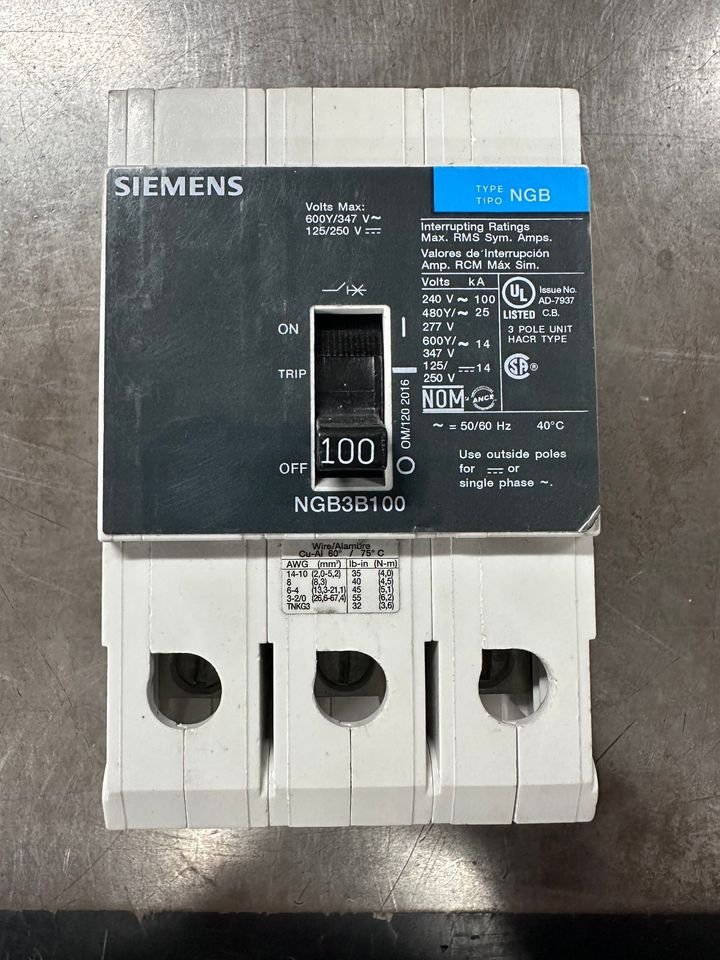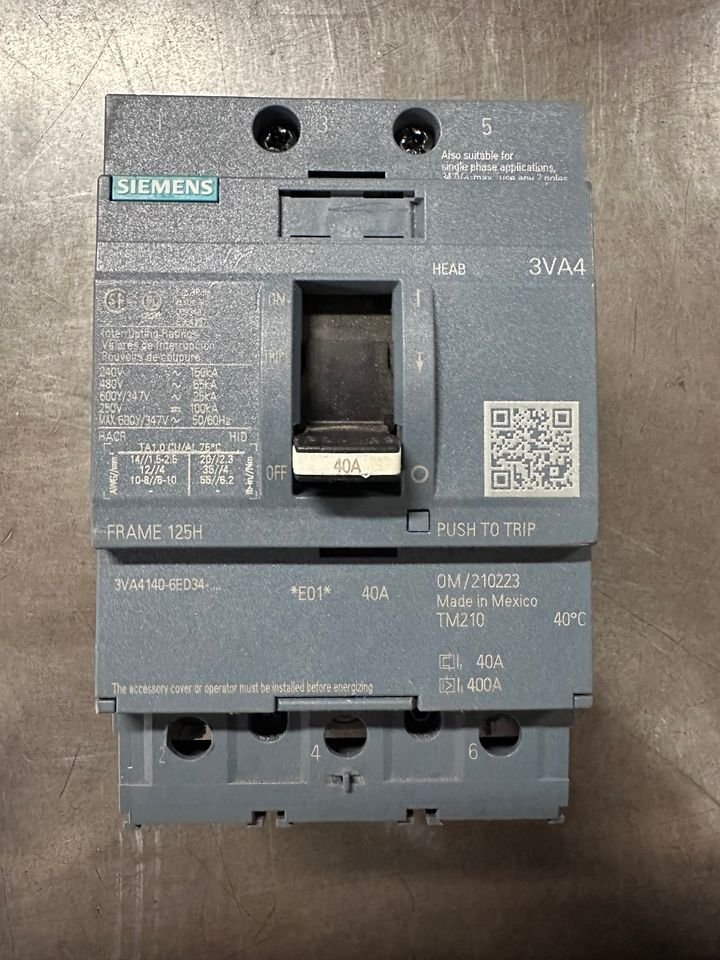
A tandem circuit breaker is a special type of breaker that allows two separate circuits to be installed in a single slot within an electrical panel. These breakers are often used when a panel runs out of space but additional circuits are needed.
Understanding how tandem breakers work, when they are allowed, and whether they are safe is essential for homeowners, electricians, and contractors working with residential electrical systems.
What Is a Tandem Circuit Breaker?A tandem circuit breaker (sometimes called a “double” or “cheater” breaker) combines two individual breakers into one unit that fits into a single panel slot. Each circuit operates independently, providing the same protection as a standard single-pole breaker.
This allows an electrical panel to support more circuits without physically expanding the panel.
Tandem breakers are typically used when an electrical panel has no available space for additional circuits. Common situations include:
They provide a convenient solution when space is limited, but they are not always the best long-term option.
Yes, tandem circuit breakers are safe when used correctly and installed in panels that are specifically designed to accept them. Electrical panels have a maximum number of circuits they can safely handle, and tandem breakers should only be used within those limits.
Installing tandem breakers in a panel that is not rated for them can lead to overheating, code violations, and potential electrical hazards.
Tandem breakers are legal when used in accordance with the panel manufacturer’s specifications and local electrical codes. Most panels include labeling that indicates how many tandem breakers are allowed and in which positions they can be installed.
If too many circuits are added beyond the panel’s rating, it may be necessary to upgrade the panel instead.
Understanding the difference between tandem and standard breakers is important when planning electrical upgrades:
While tandem breakers increase circuit capacity, they do not increase the total electrical load capacity of the panel.
Tandem breakers are sometimes confused with double-pole breakers, but they serve different purposes:
Using the correct type of breaker is critical for proper electrical system function.
If you find yourself needing multiple tandem breakers to add circuits, it may be a sign that your panel is undersized for your electrical needs. In these cases, upgrading to a larger panel may be the safer and more reliable solution.
Learn more about upgrade costs in our guide to circuit breaker panel upgrade cost.
Selecting the correct breaker for your panel ensures safe and reliable operation. Breakers must be compatible with your panel brand and rated for the correct electrical load.
For more guidance, visit our How to Choose the Right Circuit Breaker guide.
For additional information on breaker types, troubleshooting, and electrical safety, visit our Circuit Breaker Resource Hub.
Magnetic circuit breakers are a key type of electrical protection device designed to automatically shut off power when an overload or short circuit occurs. These breakers use a magnetic mechanism to detect sudden spikes in electrical current and react almost instantly to protect wiring and electrical systems.
They are commonly used in residential, commercial, and industrial electrical systems where fast and reliable protection is required.
Magnetic circuit breakers operate using an electromagnetic coil that responds to sudden increases in current. When a short circuit occurs, the magnetic field rapidly trips the breaker, disconnecting power within milliseconds.
This fast response makes them highly effective for protecting sensitive electrical equipment and preventing electrical fires.
Magnetic breakers are often compared to thermal breakers, which respond to heat buildup over time rather than instant current spikes.
Many modern circuit breakers combine both technologies for dual protection.
Magnetic circuit breakers are commonly installed in systems that require fast response protection, including:
Selecting the right breaker depends on your electrical system, load requirements, and panel compatibility. Magnetic breakers are ideal when fast fault interruption is a priority.
For help selecting the correct breaker type, visit our guide: How to Choose the Right Circuit Breaker.
Magnetic circuit breakers are part of a broader category of electrical protection devices. Learn more about other breaker types:
If you are located in San Diego and need circuit breakers or electrical supply support, visit our main local page: Circuit Breakers San Diego.
We also provide purchasing options for customers looking to buy breakers locally: Buy Circuit Breakers in San Diego.
Electrical systems should always be evaluated by qualified professionals. If you are experiencing frequent breaker trips or panel issues, it may indicate a larger system problem that requires inspection or upgrade.
Circuit Breakers University City San Diego – New & Used Breakers, Panels & Electrical SuppliesElectrical Supplies Unlimited (ESU) is your trusted source for Circuit Breakers in University City San Diego, serving contractors, electricians, property managers, and homeowners throughout University City and surrounding communities including University Heights, Hillcrest, Golden Hill, Bankers Hill, and greater San Diego County.
We buy and sell both new and used circuit breakers, electrical panels, transformers, and electrical equipment. Whether you need replacement breakers, obsolete breakers, or hard-to-find electrical components, ESU provides dependable solutions backed by over 40 years of industry experience.
ESU has proudly served the San Diego electrical supply industry for more than four decades. As a fully stocked electrical distributor and wholesaler, we carry a wide range of residential, commercial, and industrial electrical supplies designed to meet virtually any project requirement.
Our experienced team specializes in locating discontinued, surplus, and specialty electrical products, helping customers source reliable solutions quickly and efficiently.
Our extensive inventory includes major circuit breaker manufacturers and trusted industry brands, including:
General Electric (GE), Siemens / ITE, Cutler Hammer, Square D, Federal Pacific (FPE), Pushmatic, Zinsco, Challenger, Bryant, Westinghouse, Sylvania, Crouse Hinds, Bulldog, and many more.
In addition to circuit breakers, ESU stocks a large inventory of:
We also offer Greenlee tool rentals, conduit benders, wire pullers, and additional electrician equipment for contractors throughout San Diego County.
ESU is San Diego’s go-to source for new, used, surplus, and obsolete circuit breakers. We carry a broad range of amperages and voltages for nearly every major electrical system.
Examples of our inventory include:
Whether you need residential breaker replacements, commercial electrical upgrades, or industrial breaker solutions, our knowledgeable staff can help you select the right product for your project.
We proudly provide circuit breakers and electrical supplies throughout:
We also ship many products nationwide for customers outside the San Diego region.
At Electrical Supplies Unlimited, we combine decades of electrical supply expertise with one of the region’s most diverse inventories of circuit breakers and electrical equipment.
Whether you’re replacing outdated breakers, sourcing specialty equipment, or upgrading electrical infrastructure, ESU delivers dependable products, expert guidance, and exceptional customer service.
Call ESU today at 858.558.2850 to speak directly with one of our electrical supply specialists and find the right circuit breaker or electrical solution for your needs.
If your circuit breaker keeps tripping, it is usually a sign that your electrical system is trying to protect itself from an overload, short circuit, or ground fault. Understanding the common causes of tripping circuit breakers can help you identify whether the issue is minor or a sign of a larger electrical problem.
In many San Diego homes, circuit breakers trip due to increased electrical demand from modern appliances, aging panels, or faulty wiring.
What Does It Mean When a Circuit Breaker Trips?A circuit breaker trips when it automatically shuts off power to prevent overheating or electrical hazards. This safety feature helps protect your home from electrical fires and equipment damage.
If your breaker trips repeatedly, it is important to identify the underlying cause rather than simply resetting it.
An overloaded circuit occurs when too many devices are drawing power from the same circuit. This is one of the most common reasons breakers trip in residential homes.
A short circuit happens when a hot wire touches a neutral wire, causing a sudden surge of electricity. This is a serious issue that requires immediate attention from a qualified electrician.
Ground faults occur when electricity takes an unintended path to the ground. This is especially common in areas with moisture such as kitchens, bathrooms, and outdoor outlets.
Sometimes the issue is not the wiring, but a malfunctioning appliance. A defective device can draw excessive current and cause the breaker to trip.
Older electrical panels may struggle to handle modern electrical loads, leading to frequent breaker trips. In these cases, an upgrade may be necessary.
Learn more about system limitations in our guide on how many breakers can be in a panel.
Occasional tripping is normal, but frequent or repeated trips may indicate a larger issue within your electrical system. Warning signs include:
If you notice these symptoms, it may be time to evaluate your system or consider a panel upgrade.
If your electrical panel is outdated or undersized, it may not be able to handle your home’s current power demands. Many San Diego homes require upgrades to support modern appliances and electrical loads.
Read our full guide on when to upgrade your electrical panel and explore pricing in our panel upgrade cost guide.
Explore more helpful resources to understand your electrical system:
Low voltage circuit breakers are used to protect electrical systems operating at voltages typically below 1,000 volts. These breakers are commonly installed in residential homes, commercial buildings, and light industrial facilities to protect electrical circuits from overloads, short circuits, and other electrical faults.
Because low voltage systems power most everyday electrical devices and appliances, choosing the correct breaker is essential for maintaining electrical safety and reliability.
What Is a Low Voltage Circuit Breaker?A low voltage circuit breaker is designed to automatically disconnect electrical power when current exceeds safe operating levels. These breakers protect wiring, appliances, and electrical equipment from overheating or damage caused by electrical faults.
Low voltage breakers are commonly found in:
Thermal magnetic breakers are the most common type used in residential electrical panels. They use heat and magnetic force to detect overloads and short circuits.
GFCI breakers are designed to detect ground faults and quickly shut off power to prevent electric shock. They are typically required in areas where water may be present, such as kitchens, bathrooms, garages, and outdoor outlets.
AFCI breakers detect dangerous electrical arcs caused by damaged wires or loose connections. These breakers help prevent electrical fires and are now required in many residential circuits by modern electrical codes.
Low voltage breakers protect electrical systems in many environments, including:
These breakers are designed to safely interrupt electrical current while maintaining reliable operation for everyday electrical loads.
When selecting a low voltage breaker, it is important to consider the following factors:
Using the correct breaker ensures proper protection and prevents damage to the electrical system.
To explore additional resources about circuit breaker types, safety tips, and troubleshooting, visit our Circuit Breaker Resource Hub. Our guides help electricians, contractors, and homeowners understand how to maintain safe electrical systems.
Below is our growing library of circuit breaker guides designed to help homeowners, electricians, and contractors understand electrical safety, breaker selection, and troubleshooting.
Visit our Circuit Breaker Resource Hub to explore more information about breaker types, electrical safety, and selecting the right circuit protection for your project.