Buy Circuit Breakers in San Diego

High-Voltage Circuit Breakers

High-voltage circuit breakers are designed to protect electrical systems operating at significantly higher voltages than standard residential or commercial circuits. These breakers are commonly used in utility systems, industrial facilities, and large-scale power distribution networks where reliable interruption of high-energy electrical flow is critical.

What High-Voltage Circuit Breakers Do

The primary function of a high-voltage circuit breaker is to safely interrupt electrical current during fault conditions such as overloads or short circuits. Because high-voltage systems carry much greater energy, these breakers are engineered with advanced arc-quenching technology to prevent equipment damage and reduce safety risks.

Common Applications

  • Power transmission and distribution systems
  • Utility substations
  • Industrial manufacturing facilities
  • Large commercial electrical infrastructure
  • Renewable energy systems such as solar and wind farms

Types of High-Voltage Circuit Breakers

  • SF6 Circuit Breakers – Use sulfur hexafluoride gas for arc interruption and insulation
  • Vacuum Circuit Breakers – Extinguish arcs in a vacuum chamber for high reliability
  • Air Blast Circuit Breakers – Use compressed air to interrupt current flow
  • Oil Circuit Breakers – Use insulating oil to cool and extinguish arcs (older technology)

Safety and Performance Considerations

High-voltage systems require precise engineering and strict safety compliance. Proper breaker selection ensures system stability, prevents equipment failure, and reduces the risk of electrical hazards. Regular inspection and maintenance are essential in high-voltage environments.

Related Circuit Breaker Resources

Explore more circuit breaker topics and San Diego electrical solutions:

Circuit Breaker Panel Upgrade Cost: What Homeowners Should Expect

Upgrading your electrical panel is one of the most important improvements you can make to your home’s electrical system. If you're researching circuit breaker panel upgrade cost, you're likely trying to understand pricing, safety benefits, and whether an upgrade is necessary.

Electrical panel upgrades improve safety, increase electrical capacity, and ensure your system can handle modern appliances, HVAC systems, and technology. This guide explains typical costs, what factors affect pricing, and when a panel upgrade is recommended.

Average Circuit Breaker Panel Upgrade Cost

The cost to upgrade a circuit breaker panel typically ranges from $1,500 to $4,000 for most residential homes. However, more complex installations or larger service upgrades can cost between $4,000 and $8,000 or more.

The total cost depends on several factors, including the size of the panel, electrical capacity, labor requirements, and whether additional upgrades are needed.

What Factors Affect Panel Upgrade Cost?

1. Electrical Service Size

Upgrading from a 100-amp panel to a 200-amp panel is one of the most common residential upgrades. Larger service capacities require more materials and labor, increasing overall cost.

2. Panel Location

If the electrical panel is difficult to access or needs to be relocated, labor costs may increase. Panels located in garages or exterior walls are typically easier to upgrade than those in tight indoor spaces.

3. Wiring and Electrical System Condition

Older homes may require additional wiring upgrades to meet current electrical codes. Replacing outdated wiring or adding new circuits can increase the total project cost.

4. Permit and Inspection Requirements

Most panel upgrades require permits and inspections to ensure the work meets local electrical codes. Permit costs vary by location but are an important part of a safe and compliant installation.

5. Additional Electrical Upgrades

Some homeowners upgrade their panel to support new appliances, electric vehicle chargers, or home additions. These upgrades may require additional circuits, subpanels, or service upgrades.

Signs You May Need an Electrical Panel Upgrade

If you are unsure whether a panel upgrade is necessary, look for these common warning signs:

  • Frequent breaker trips
  • Flickering or dimming lights
  • Limited number of circuits
  • Use of extension cords due to insufficient outlets
  • An older panel that cannot support modern electrical demand

These issues may indicate that your current panel is overloaded or outdated.

Benefits of Upgrading Your Circuit Breaker Panel

Upgrading your electrical panel provides several important benefits:

  • Improved electrical safety
  • Increased capacity for modern appliances
  • Reduced risk of electrical fires
  • Better system reliability
  • Support for future upgrades such as EV chargers or solar systems

Is a Panel Upgrade Worth the Cost?

For most homeowners, upgrading an outdated electrical panel is a worthwhile investment. It improves safety, increases home value, and ensures your electrical system can meet current and future demands.

If your panel is older or frequently experiencing issues, upgrading can prevent costly repairs and reduce the risk of electrical hazards.

Learn More About Circuit Breakers

To better understand breaker selection, safety, and troubleshooting, visit our Circuit Breaker Resource Hub.

You can also read our guides on how to choose the right circuit breaker and signs of a bad circuit breaker.

Why Your Circuit Breaker Keeps Tripping (Causes and Solutions)

If your circuit breaker keeps tripping, it usually means your electrical system is protecting itself from a potential hazard. Circuit breakers are designed to shut off power when they detect overloads, short circuits, or electrical faults. While occasional trips can be normal, a breaker that trips frequently may indicate a deeper electrical problem that needs attention.

This guide explains the most common reasons why a circuit breaker keeps tripping and what homeowners can do to troubleshoot the issue safely.

What Does It Mean When a Circuit Breaker Trips?

A circuit breaker trips when it detects electrical current exceeding safe limits. When this happens, the breaker automatically shuts off power to prevent overheating, electrical fires, or damage to appliances and wiring.

If your breaker repeatedly shuts off power, it's important to identify the cause rather than simply resetting the breaker each time.

Overloaded Circuits

The most common reason a breaker trips is an overloaded circuit. This occurs when too many appliances or devices draw power from the same circuit at the same time.

High-wattage appliances such as space heaters, microwaves, hair dryers, and portable air conditioners can easily exceed the circuit's capacity.

To prevent overloads:

  • Spread appliances across multiple circuits
  • Avoid using several high-power devices on one outlet
  • Unplug unused electronics

Short Circuits

A short circuit occurs when a hot electrical wire touches a neutral wire or grounded metal component. This creates a sudden surge of electrical current that forces the breaker to trip immediately.

Short circuits may be caused by:

  • Damaged wiring
  • Loose electrical connections
  • Faulty outlets or switches
  • Defective appliances

Because short circuits can create dangerous electrical conditions, they should be inspected by a qualified electrician.

Ground Faults

Ground faults occur when electrical current flows outside the intended circuit path and contacts a grounded surface. This type of fault commonly happens in areas where water is present, such as kitchens, bathrooms, garages, and outdoor outlets.

Ground fault circuit interrupter (GFCI) breakers are designed to detect these conditions and shut off power quickly to prevent electric shock.

Faulty Appliances

If a breaker trips when a specific appliance is turned on, that device may be malfunctioning. Appliances with damaged cords, worn internal components, or electrical faults can draw excessive current and cause breakers to trip.

Try unplugging the appliance and resetting the breaker. If the breaker stops tripping, the appliance may require repair or replacement.

Old or Worn Circuit Breakers

Although circuit breakers are designed for long service life, they can eventually wear out. A breaker that trips repeatedly or fails to stay reset may be defective.

In older homes, the electrical panel itself may also be outdated and may not handle modern electrical loads effectively.

When to Call an Electrician

While homeowners can safely reset a breaker, recurring electrical problems should be evaluated by a licensed electrician. Electrical professionals can diagnose wiring issues, replace defective breakers, and determine whether your panel needs upgrading.

Addressing these problems early helps prevent damage to appliances and reduces the risk of electrical fires.

Choosing the Right Replacement Circuit Breaker

If a breaker needs replacement, it is important to select one that is compatible with your electrical panel. Breakers are designed to match specific panel brands and models to ensure proper fit and safe operation.

To learn more about selecting the correct breaker, visit our How to Choose the Right Circuit Breaker Guide.

Learn More About Circuit Breakers

For additional information about breaker types, electrical safety, and panel upgrades, explore our complete Circuit Breaker Resource Hub. Our guides help homeowners, electricians, and contractors understand how to maintain safe and reliable electrical systems.

Learn More About Circuit Breakers

For a complete overview of breaker types, brands, and electrical safety considerations, visit our Circuit Breaker Resource Hub where we provide expert guides for residential, commercial, and industrial electrical systems.

For a complete overview of breaker types, brands, and electrical applications, visit our Circuit Breaker Resource Hub.

More Circuit Breaker Resources

Electrical Panel Replacement San Diego

Electrical panel replacement is one of the most important upgrades you can make to improve the safety, reliability, and capacity of your electrical system. Whether you're renovating an older home, upgrading a commercial property, or replacing a damaged panel, understanding when and why to replace an electrical panel can help prevent costly electrical problems and improve overall system performance.

This guide explains common reasons for electrical panel replacement, signs of panel failure, upgrade considerations, and how to select the right panel and circuit breakers for your San Diego property.

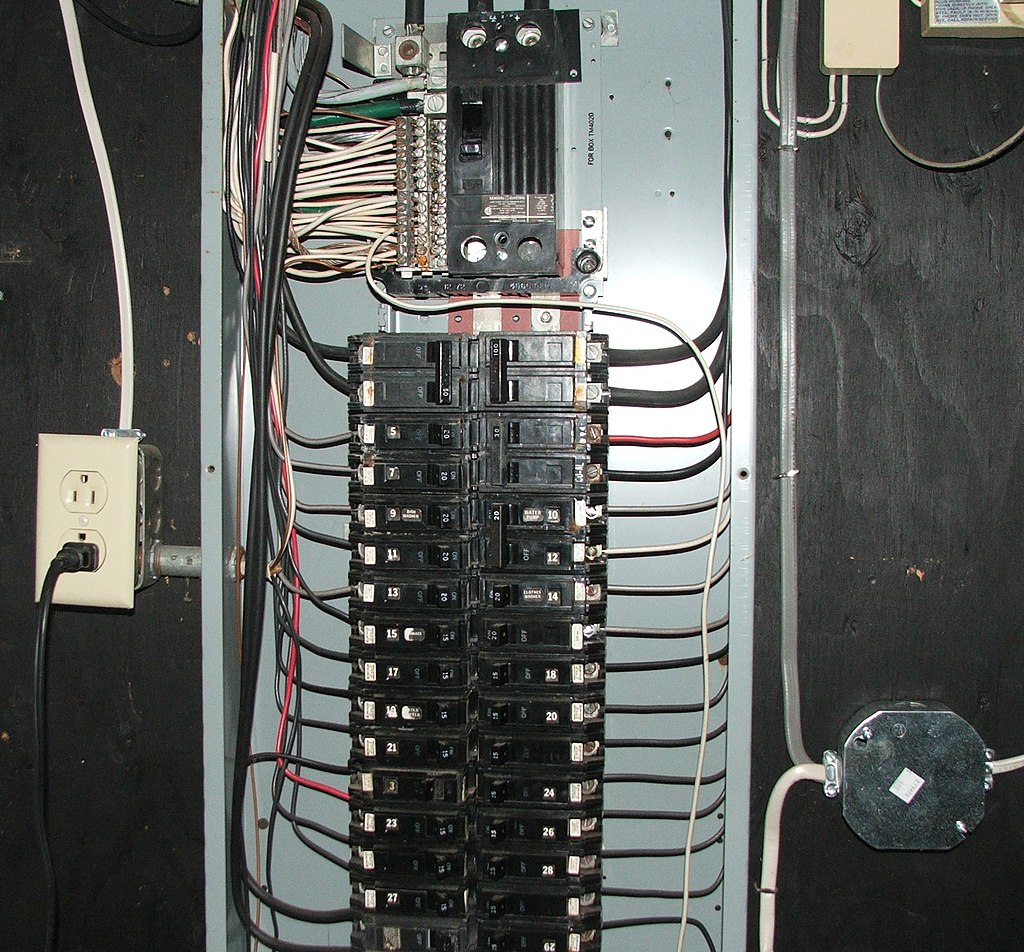
Electrical panel replacement San Diego residential electrical service panelWhen Is Electrical Panel Replacement Necessary?
Electrical panels are designed to safely distribute electricity throughout a building, but older panels may no longer meet modern electrical demands. As homes and businesses add new appliances, air conditioning systems, EV chargers, computers, and other equipment, electrical panels can become overloaded.

Common signs that indicate you may need an electrical panel replacement include:

  • Frequently tripping circuit breakers
  • Flickering or dimming lights
  • Burning smells near the panel
  • Rust, corrosion, or water damage
  • Outdated Federal Pacific (FPE), Zinsco, or Challenger panels
  • Insufficient capacity for new electrical equipment

Learn more in our guide on When to Upgrade Your Electrical Panel.

Benefits of Replacing an Electrical Panel

A new electrical panel offers several advantages beyond simply replacing aging equipment.

  • Improved electrical safety
  • Increased electrical capacity
  • Reduced risk of breaker failure
  • Support for modern appliances and technology
  • Better compliance with current electrical codes
  • Enhanced property value

Modern electrical panels also provide greater flexibility for future expansion and additional circuits.

Common Electrical Panel Sizes

Today's residential electrical systems commonly utilize:

  • 100 Amp Panels
  • 125 Amp Panels
  • 150 Amp Panels
  • 200 Amp Panels
  • 225 Amp Panels
  • 400 Amp Service Panels

The proper panel size depends on the building's electrical load requirements and future expansion plans.

Replacing Obsolete Electrical Panels

Many older homes throughout San Diego still contain obsolete electrical panels that are no longer considered ideal for modern electrical systems. Some of the most common examples include:

  • Federal Pacific (FPE) Panels
  • Zinsco Panels
  • Challenger Panels
  • Pushmatic Panels

These older systems often present challenges when replacement breakers are needed and may not provide the level of protection expected from modern equipment.

Learn more in our guide on Replacing FPE, Zinsco, and Challenger Breakers.

Choosing the Right Circuit Breakers for Your New Panel

Electrical panel replacement often involves installing new circuit breakers that are compatible with the upgraded panel. Selecting the proper breakers ensures reliable operation and compliance with manufacturer specifications.

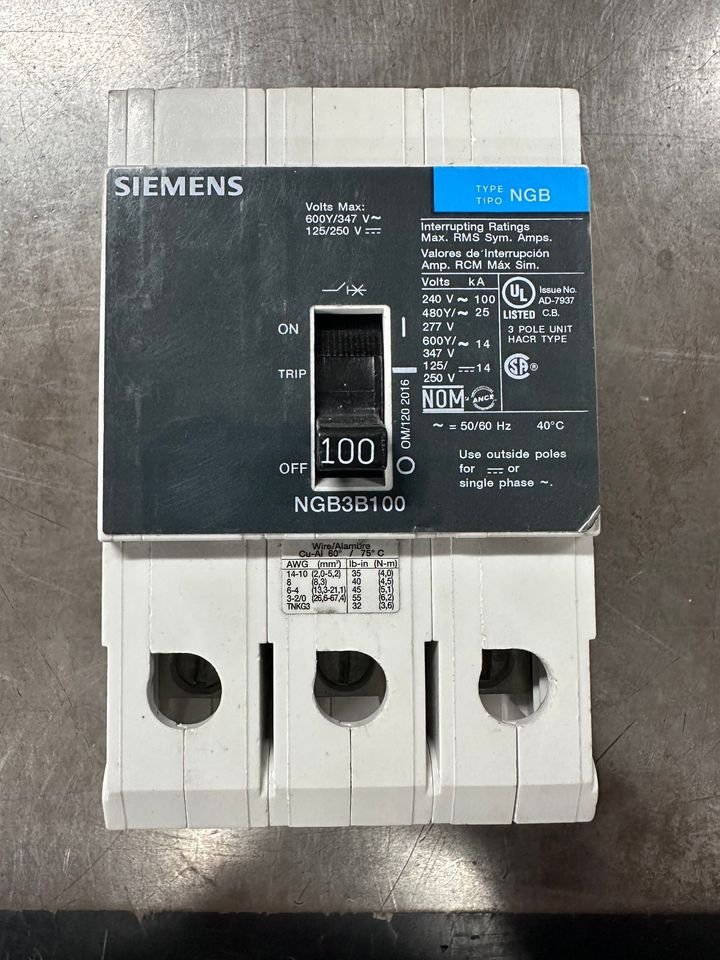
Common breaker manufacturers include Siemens, Square D, Eaton, Cutler Hammer, General Electric (GE), and others.

For additional guidance, visit our How to Choose the Right Circuit Breaker resource.

Electrical Panel Replacement Cost

The cost of electrical panel replacement varies depending on several factors, including panel size, service capacity, breaker requirements, wiring upgrades, and local installation conditions.

Projects involving service upgrades, additional circuits, or commercial electrical systems typically require larger investments than standard residential panel replacements.

Learn more in our guide on Circuit Breaker Panel Upgrade Cost.

Circuit Breakers and Electrical Panels in San Diego

Electrical Supplies Unlimited carries a large inventory of circuit breakers, electrical panels, transformers, disconnects, and electrical equipment for residential, commercial, and industrial applications throughout San Diego County.

Whether you need replacement breakers, a complete panel upgrade, or hard-to-find electrical components, our experienced team can help you identify the right solution for your project.

Why Electrical Panel Upgrades Are Increasing in San Diego

Many San Diego property owners are upgrading electrical panels to accommodate electric vehicle chargers, solar energy systems, air conditioning upgrades, home additions, and modern electrical equipment. These improvements often require additional electrical capacity that older panels cannot provide.

Upgrading your electrical panel can improve system performance while helping prepare your property for future electrical demands.

More Circuit Breaker & Electrical Panel Resources

Circuit Breakers in Sunnyside, San Diego. ESU buys and sells new & used Breakers and Panels!

Electrical Supplies Unlimited buys and sells new & used Circuit Breakers in Sunnyside  San Diego surrounding areas including Chula Vista, Imperial Beach, Bonita, Rancho Del Rey, Terra Nova, Eastlake Greens and many more. Of course, we can arrange shipment on a wide variety of products to service those outside our area. We will also buy your used Transformers.

ESU Inc. has proudly served the electrical supply industry for over 40 years. We offer an extensive selection of new, surplus, and recycled electrical supplies to meet both residential and commercial needs. As a fully stocked electrical distributor and wholesaler, we carry a wide range of product lines and specialize in sourcing hard-to-find items. Our knowledgeable team is dedicated to exceeding customer expectations, and our long-standing reputation speaks for itself. Call us at 858.558.2850 to experience our service firsthand.

Our inventory features products from many leading manufacturers, including General Electric, Hammond Power, ITE Siemens, Cutler Hammer, Square D, FPE Federal Pacific, Pushmatic, Zinsco, Crouse-Hinds, Challenger, Westinghouse, Sylvania, and Bryant.

We stock a broad selection of electrical equipment, including circuit breakers, transformers, disconnects, panelboards up to 600V, fuses up to 3000 amps, bolt switch pullouts, motor starters and relays, meter sockets, lighting ballasts, and metal halide and SOX bulbs. ESU also carries Lithonia commercial and residential lighting fixtures.


ESU supplies a diverse range of electrical products to fit virtually any application or budget, serving customers throughout San Diego County as well as intra- and interstate clients. In addition, we rent Greenlee wire pullers, conduit benders, and other professional electrician tools. For personalized assistance, speak directly with one of our specialists—Scott, Kevin, or Chris. Call 858.558.2850 today and let ESU serve your electrical supply needs.

Circuit Breakers Electrical Supplies Unlimited sells and buys both new and used Circuit Breakers, serving Circuit Breakers to Sunnyside, San Diego and nearby areas such as Chula Vista, Bonita, Rancho Del Rey, Terra Nova and more. We can also arrange shipment of many products to serve customers outside the region. In addition, we will purchase your used Transformers, Breakers, Panels and most Electrical Supplies.

We handle most of the major brands, including Westinghouse, Acme, Cutler Hammer, ITE Siemens, Federal Pacific (FPE), Square D, General Electric, and Zinsco. As a fully stocked Electrical Distributor and Wholesaler, we keep many different product lines readily available.

Electrical Supplies Unlimited is San Diego’s go-to source for Circuit Breaker electrical supplies. Our inventory includes a wide range of circuit breakers across most voltages and amperages. In our San Diego store, we carry products from many manufacturers such as Zinsco, Federal Pacific (FPE), Pushmatic, Bulldog, Cutler Hammer, ITE Siemens, Square D, and more. We stock most amperages and voltages. Some examples of what we offer:


20 Amp thru 125 amp Zinsco breakers
20 amp through 1200 amp 480 volt Siemens breakers 3 phase and single phase
15 thru 100 amp 120/240 Volt Pushmatic Breakers
15 thru 1200 amp 120/240 and 480V Federal Pacific FPE circuit breakers

We are circuit breakers and electrical hardware experts. Do not hesitate to call us at 858.558.2850 to find out which Circuit Breaker is right for your requirement.

Your one stop go to guys. Always at your service!